Home Articles
Practical explainers and guidance for home decisions.
RSS feedHomeowners Insurance
Why Homeowners Insurance Should Protect Rebuilding, Not Just Price
A home insurance policy should be reviewed around the cost to rebuild, replace belongings, live elsewhere during repairs, and absorb liability, not just the home's market price.
Mortgages
Why the Lowest Mortgage Payment Is Not Always the Safest Choice
A lower mortgage payment can feel safer, but safety depends on the full payment, rate risk, escrow changes, cash reserves, loan term, total interest, and how much flexibility the household keeps after closing.
Home
Why Homeownership Feels Like Security Even When It Adds Risk
Homeownership can feel like stability, identity, and progress, but it also concentrates risk in one place. The decision should include liquidity, flexibility, maintenance, and household resilience.
Fraud Prevention
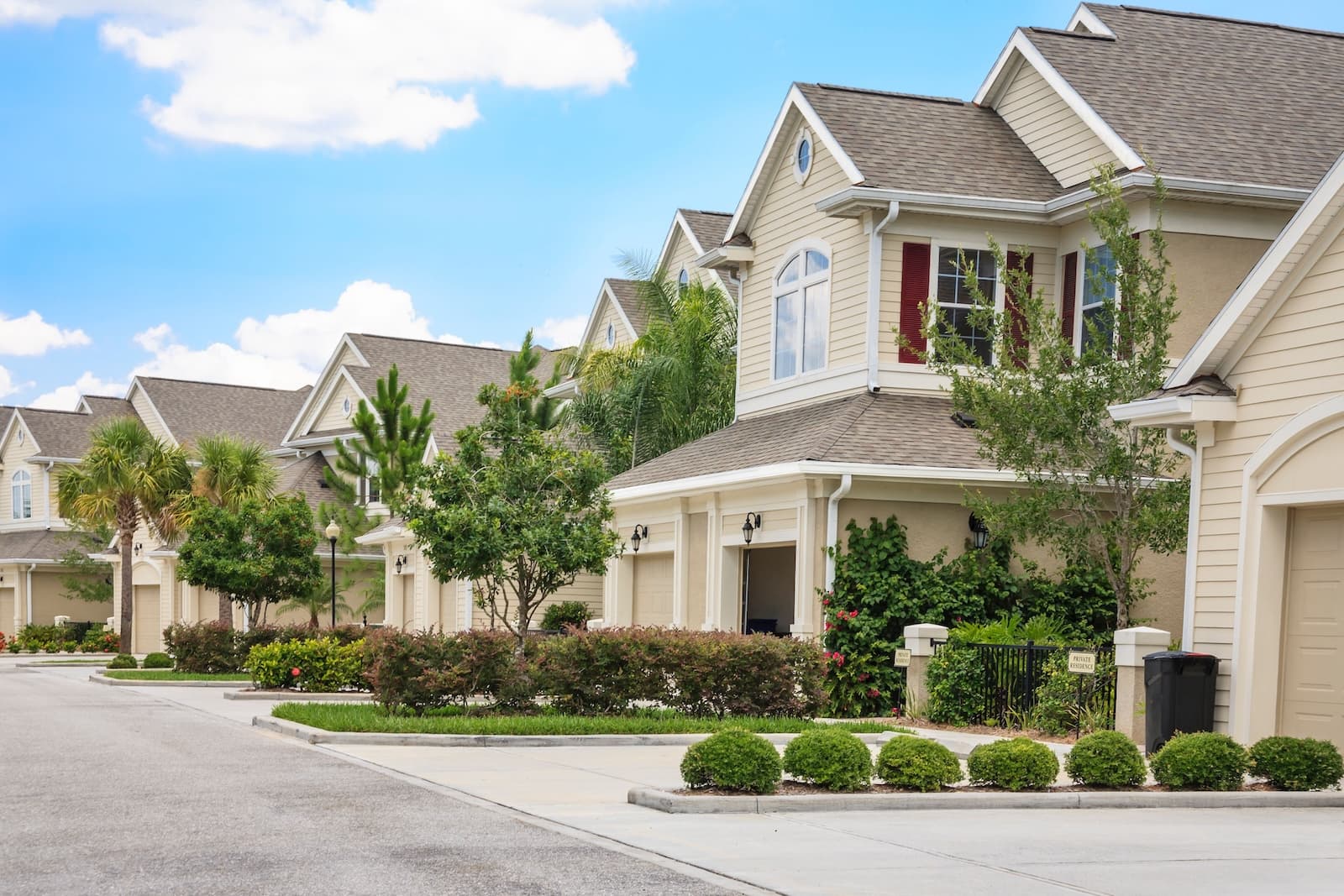
What Is Deed Fraud and How Can Homeowners Reduce the Risk?
Deed fraud happens when someone uses forged, deceptive, or unauthorized documents to interfere with property ownership. Homeowners can reduce risk by monitoring records, protecting identity information, reading documents carefully, and acting quickly on suspicious notices.

Fraud Prevention
How to Avoid Home Repair Scams
Home repair scams often use urgency, storm damage, door-to-door pressure, large upfront payments, vague contracts, or risky financing. Learn what to check before hiring a contractor or signing home repair paperwork.

Fraud Prevention
How to Protect Your Home Title and Property Records
Homeowners cannot stop every bad filing before it happens, but they can monitor property records, use county alerts where available, protect identity information, and respond quickly to suspicious deeds, liens, loans, or notices.

Retirement
Should You Downsize Before or During Retirement?
Downsizing can lower housing costs, release equity, simplify maintenance, and strengthen a retirement paycheck, but the timing matters. Transaction costs, taxes, lifestyle fit, care needs, and liquidity can all change the answer.

Retirement
How to Pay for Long-Term Care Without Relying on One Option
Long-term care funding usually works best when it is not reduced to one answer. A realistic plan may combine assets, income, insurance, home equity, family logistics, spending changes, hybrid life/LTC coverage, and Medicaid fallback.
Retirement
Should You Use Home Equity for Retirement Income?
Home equity can strengthen retirement income, but it is not free cash. Before using the house for liquidity, compare downsizing, borrowing, reverse mortgages, ongoing housing costs, survivor needs, care risk, and the role the home still needs to play.
Retirement
What Happens to the House When One Spouse Dies in Retirement?
After one spouse dies in retirement, the house can become both shelter and a financial decision. The surviving spouse may need to review title, mortgage payments, property taxes, insurance, reverse mortgage rules, upkeep, downsizing, home equity, and whether the home still fits the one-person income plan.
Retirement
How Reverse Mortgages Work in Retirement
A reverse mortgage can turn home equity into retirement liquidity without standard monthly mortgage payments, but the loan still has costs, borrower obligations, repayment triggers, survivor issues, and long-term tradeoffs.
Loans
Should You Use a Cash-Out Refinance or Home Equity Loan?
A cash-out refinance and a home equity loan can both turn home equity into usable cash, but they solve different problems. A cash-out refinance replaces the first mortgage, while a home equity loan leaves it in place and adds a second payment behind it.
Newsletter
Get clear financial guidance
Get one weekly email with practical money guidance, useful next steps, and none of the noise.
Zero spam. Just clear, honest financial guidance.