Fraud Prevention
How to Avoid Charity Scams Before You Donate
Charity scams turn generosity into pressure. Before donating, verify the organization independently, avoid rushed payment requests, check tax-deductible status when it matters, and give through a channel you trust.

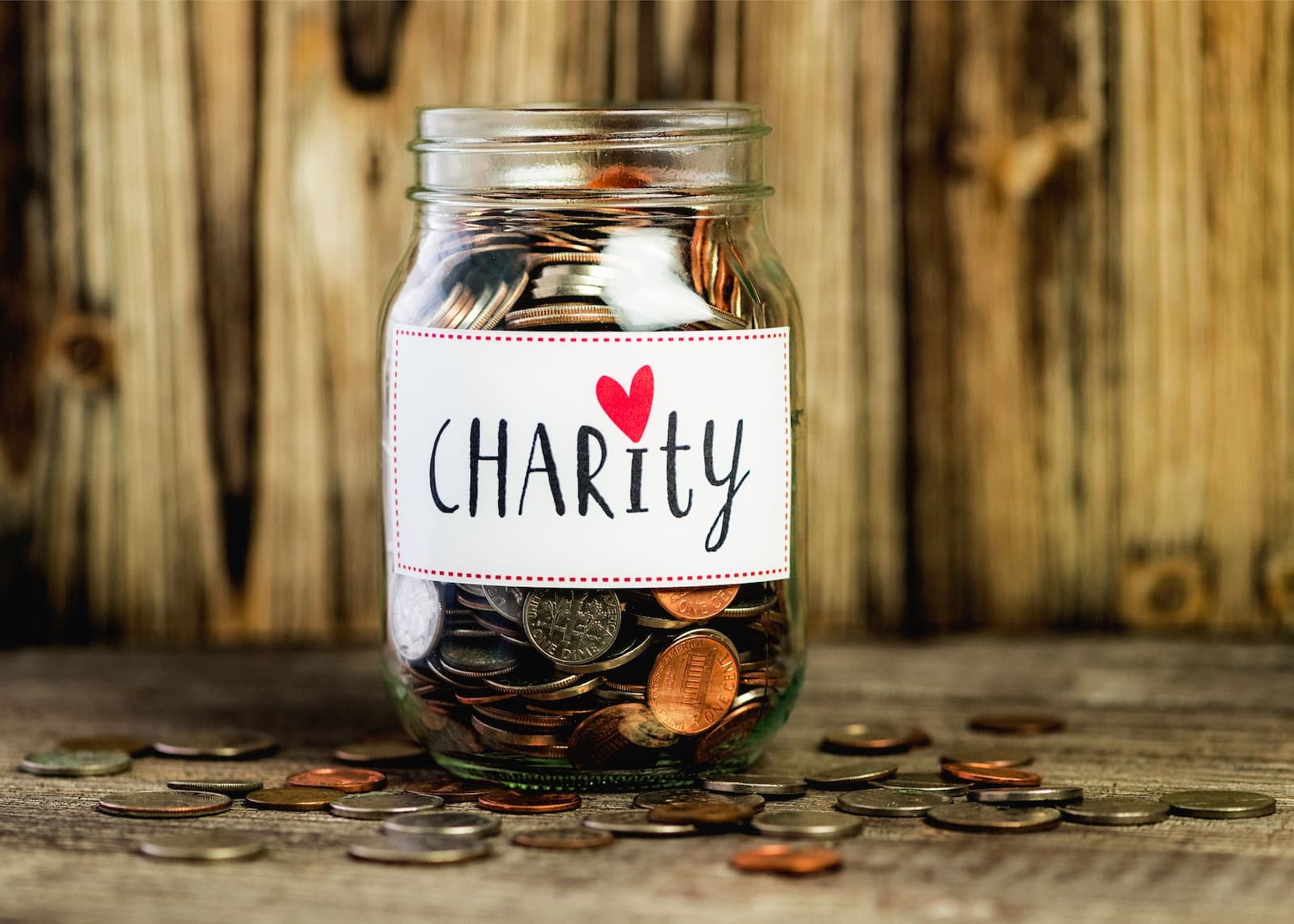
Charity scams work because they arrive at the exact moment people want to help. A disaster happens. A family is grieving. A medical story spreads online. A caller mentions veterans, children, police, firefighters, religious work, animal rescue, or local tragedy. The emotion is real, even when the collector is not.
Generosity does not need to be rushed. A real charity should survive a few minutes of verification. A scam usually needs the donation before you have time to check where the money is going.
The goal is not to become cynical. It is to give in a way that protects both your money and the cause you care about.
Key Takeaways
- Charity scams impersonate real charities or create fake causes to collect money, payment details, or personal information.
- Disasters, public tragedies, holidays, medical stories, veterans, children, religious causes, and local emergencies are common emotional hooks.
- Pressure to donate immediately, vague charity names, and requests for gift cards, crypto, wire transfers, cash, or payment apps are warning signs.
- If tax deductibility matters, verify the organization through the IRS or another trusted source before donating.
- Give through the charity's official website or a verified channel, not through links, QR codes, or payment instructions from an unsolicited message.
Start by Separating the Cause From the Collector
A cause can be real while the request is fake. A disaster may have happened. A disease may be serious. Veterans, children, churches, animal shelters, and emergency responders may genuinely need support. That does not mean the person contacting you is connected to a legitimate charity.
Scammers often use a real event or familiar theme because it lowers resistance. The emotion is doing the work. Before giving, separate the question into two parts: do I care about this cause, and is this collector or organization legitimate?
You can care deeply and still pause.
Watch for Pressure to Give Right Now
Urgency is one of the clearest charity scam warning signs. The caller may say the need is immediate, the matching gift expires today, the victims cannot wait, or a donation must happen while you are still on the phone.
Legitimate charities may describe urgent needs, but they should not object to verification. A real organization should let you review its website, search its name, check its tax status, compare donation options, and think before giving.
If the fundraiser becomes angry, guilt-inducing, vague, or evasive when you ask for time, treat that as useful information.
Verify the Charity Outside the Solicitation
Do not rely only on a phone number, link, QR code, email, text, social media message, or crowdfunding page provided in the donation request. Look up the charity yourself.
Search the charity name plus words like scam, complaint, review, or fraud. Check whether the name is slightly different from a better-known charity. Look for a physical address, leadership, program details, financial reports, and a secure donation page. If the charity claims to be local, check whether local news, community organizations, or official sources recognize it.
If tax deductibility matters, use the IRS Tax Exempt Organization Search to check whether the organization is eligible to receive tax-deductible contributions. A good-sounding cause is not the same as a qualifying 501(c)(3) organization.
Be Careful With Payment Methods
How a charity asks to be paid can tell you a lot. The FTC warns against donation requests that demand cash, gift cards, wire transfers, or cryptocurrency. These methods can be difficult to recover and are often favored by scammers.
Give by a method that creates a record. A credit card or check made directly to the organization may offer a clearer paper trail than cash or a payment app transfer to an individual. If you use a crowdfunding platform, understand who receives the money, what fees apply, and whether the platform verifies the campaign.
If someone says a charity can only accept gift cards, crypto, or a wire transfer, do not treat that as normal.
Understand Tax-Deductible Giving
A donation can be generous without being tax-deductible. But if the tax deduction is part of your decision, verify before giving.
Tax-deductible charitable contributions generally require a qualified organization and proper documentation. Some crowdfunding gifts, political donations, gifts to individuals, and payments to nonqualified groups may not be deductible even if the cause is sympathetic.
Also be cautious if a caller guarantees a tax deduction without explaining the organization, receipt, and status. Deductibility is not a magic phrase. It depends on the organization and the tax rules that apply.
Disaster Giving Deserves Extra Caution
Disasters create a perfect environment for charity scams because people want to respond quickly. Scammers may set up fake websites, social media pages, donation links, text-to-give numbers, or crowdfunding campaigns shortly after a hurricane, wildfire, flood, shooting, war, or local tragedy.
When the need is urgent, give to organizations you already know or can verify independently. If a charity is new to you, slow down. Confirm the website address. Avoid clicking donation links from unsolicited messages. Be skeptical of emotional photos or stories that cannot be traced to a real organization.
A good habit is to keep a short list of trusted charities before a disaster happens. Then generosity has a path ready when emotion is high.
Phone, Text, and Social Media Solicitations
Charity requests may arrive by phone, text, email, social media post, direct message, or online ad. Each channel has its own risk.
Phone solicitors may use names that sound official or similar to a real organization. Text messages may include links or short codes that are hard to verify. Social media posts may spread faster than facts. Direct messages may come from hacked accounts or fake profiles. Crowdfunding pages may be emotionally compelling but thin on verification.
If you want to give after seeing a request, leave the message and go directly to the charity's official website or another verified giving channel. Do not let the channel that created the pressure also control the payment path.
Do Not Give Personal Information Too Early
A charity does not need your Social Security number, bank login, one-time passcode, or full identity profile for a normal donation. Be careful with donation forms or callers that ask for more information than the transaction reasonably requires.
If you donate online, check the website address carefully. Fake donation pages can imitate real charities. Use a secure connection, but remember that a lock icon only means the connection is encrypted. It does not prove the charity is real.
After donating, review statements to confirm the amount, date, and frequency are what you approved. Watch for unexpected recurring donations or charges from unfamiliar names.
What to Do if You Think You Donated to a Scam
If you think you donated to a scam, act quickly. Contact the payment provider. That may be a card issuer, bank, payment app, gift card issuer, wire service, or crypto platform. Explain what happened and ask whether any dispute, cancellation, chargeback, or fraud process is available.
Save the donation page, receipt, emails, texts, phone numbers, social media messages, screenshots, usernames, wallet addresses, and payment details. Report the scam to the FTC and consider reporting to your state attorney general or charity regulator.
If personal information was shared, review whether identity-theft protections are needed. For the broader response sequence, read What to Do if You Think You Are Being Scammed.
Where to Go Next
For the broader fraud-prevention framework, read How to Protect Yourself From Financial Scams. If a donation request included a prize, grant, or promised payout, read Advance Fee Fraud: Why Paying Money to Receive Money Is a Red Flag. If your card was charged without permission, read What to Do if You See a Fraudulent Credit Card Charge.
Related glossary terms include Charity Scam, Tax-Exempt, Donor-Advised Fund, Wire Fraud, and Imposter Scam.
The Bottom Line
Charity scams turn generosity into pressure. The safest response is not to stop giving. It is to give more deliberately.
Verify the charity outside the solicitation. Avoid rushed payment methods. Check tax-deductible status when it matters. Donate through a channel you trust. A real cause will still be worthy after you take time to make sure the money is going where you intend.