Fraud Prevention
What to Do if You See a Fraudulent Credit Card Charge
A fraudulent credit card charge should be handled quickly, but calmly. Confirm the charge, contact the card issuer, secure account access, document the dispute, and check whether the issue points to broader identity or account risk.

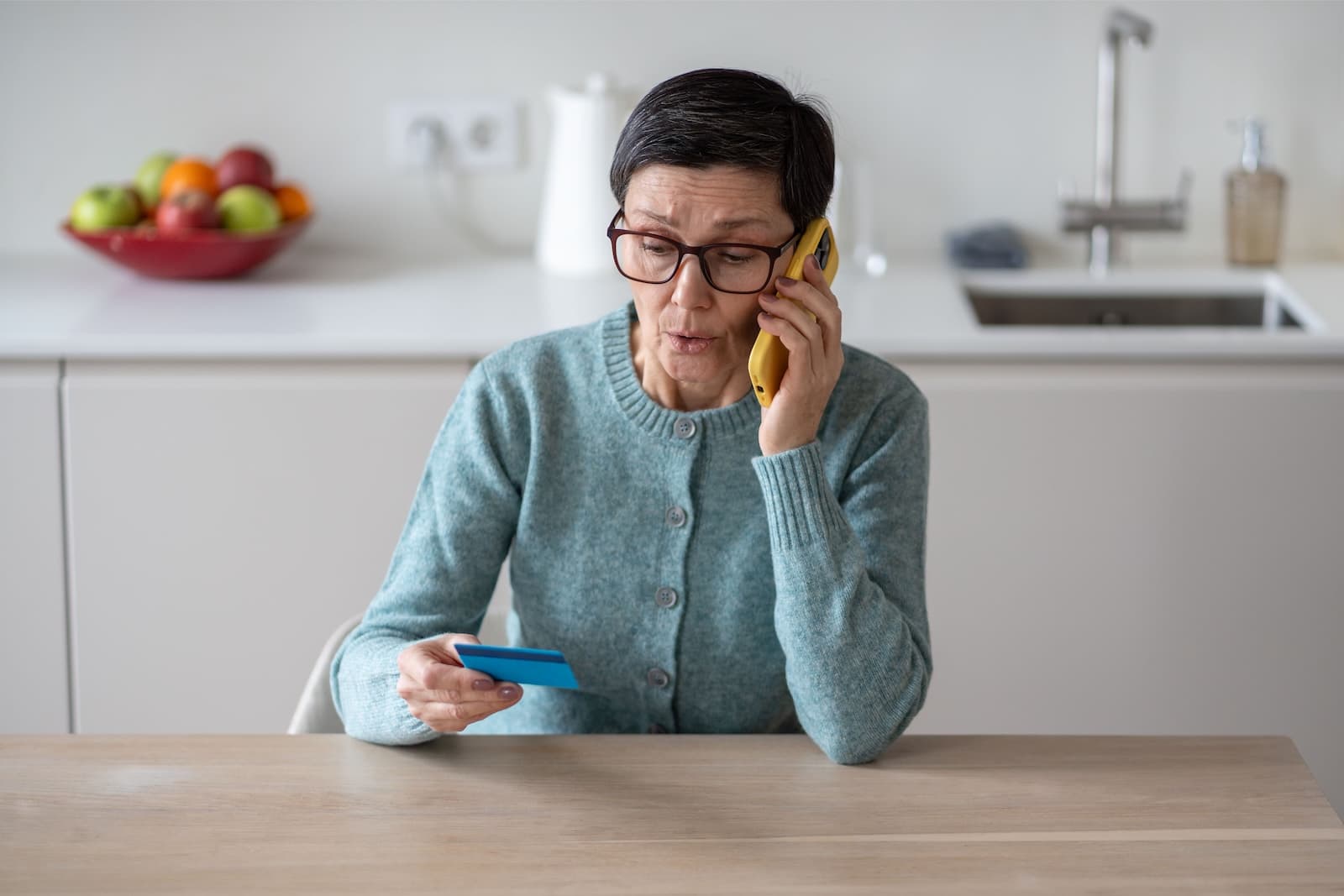
A strange credit card charge can create instant anxiety. Maybe it is a small test charge from a merchant you do not recognize. Maybe it is a large purchase in another state. Maybe it is a subscription you never signed up for, an online order you did not place, or a card-not-present charge that arrived while the card was still in your wallet.
The right response is quick, but not panicked. Confirm what you are seeing, contact the card issuer through a trusted channel, protect account access, and keep records. Then decide whether the charge looks like a one-time card problem or part of a larger identity or account-security issue.
Key Takeaways
- Report suspected credit card fraud to the card issuer quickly using the number on the card, the issuer's app, or the issuer's official website.
- Do not use links or phone numbers from suspicious texts, emails, or calls claiming to be the card issuer.
- Separate true unauthorized charges from billing disputes, forgotten subscriptions, merchant errors, or family-authorized purchases.
- If account access or personal information may be exposed, change passwords, review other accounts, and consider fraud alerts or credit freezes.
- Keep records of dates, charges, dispute numbers, messages, replacement cards, and any issuer decisions.
Step 1: Confirm the Charge Without Clicking Suspicious Links
Start by checking the charge through a trusted channel. Open the card issuer's app directly, type the issuer's website yourself, or call the number on the back of the card. Do not click a link from a text or email saying there is fraud on your card.
Scammers often send fake fraud alerts to get people to share passwords, one-time codes, or card details. If the alert is real, you should still be able to verify it through the issuer's official app, website, or phone number.
Look at the merchant name, amount, date, location, and whether the charge is pending or posted. Sometimes a merchant name is unfamiliar because the billing name differs from the store name. Sometimes a hotel, rental car company, gas station, or online service places a temporary authorization that later changes.
If the charge still looks wrong, treat it as suspicious.
Step 2: Decide Whether It Is Fraud or a Billing Dispute
Not every charge problem is credit card fraud. A fraudulent charge generally means someone used the card, card number, account, or identity without permission. A billing dispute may involve a merchant charging the wrong amount, failing to deliver goods, continuing a subscription after cancellation, or refusing a refund.
The difference matters because the issuer may route the claim differently. If you never authorized the transaction, say that clearly. If you authorized a purchase but the merchant did not perform as promised, explain that as a billing dispute.
Some situations overlap. A misleading subscription, unauthorized add-on, or merchant that keeps charging after cancellation may require both a billing-dispute record and closer attention to whether future charges should be blocked.
Step 3: Contact the Card Issuer Quickly
Contact the card issuer as soon as you suspect an unauthorized charge. Ask whether the card should be locked, replaced, or closed. Ask whether there are other recent attempts that do not yet appear in your statement. Confirm how the dispute will be documented and what temporary credit, investigation, or follow-up process applies.
If the physical card is missing, say that. If the card is still in your possession, say that too. If the charge came after a suspicious call, text, email, data breach notice, or online purchase, include that detail.
Fast reporting helps limit additional activity. It also creates a timeline if the issuer later asks when you discovered the charge.
Step 4: Secure the Account Behind the Card
A fraudulent charge may be only one symptom. If someone gained access to the online card account, they may be able to change contact information, add authorized users, view statements, change alerts, or access saved payment methods.
Change the card account password if there is any sign of account access. Use a unique password. Turn on multi-factor authentication if available. Review email address, phone number, mailing address, authorized users, saved devices, autopay settings, alerts, and recent profile changes.
Then check the email account tied to the card. Email often controls password resets. If email is compromised, a replacement card alone may not solve the problem.
Step 5: Review Other Accounts and Saved Cards
If one card number was compromised, other accounts may still be fine. But if the fraud came from account takeover, phishing, malware, or reused passwords, the risk may be broader.
Review other cards, bank accounts, payment apps, shopping accounts, digital wallets, subscriptions, and credit reports if needed. Watch for small unfamiliar charges because fraudsters sometimes test a card before attempting larger purchases.
If a card was saved in a compromised merchant account, remove saved payment methods and change that account password. If the same password was reused elsewhere, change it there too.
Step 6: Consider Identity-Theft Protections if Personal Information Was Exposed
A single stolen card number is different from stolen identity information. If the issue appears limited to one card, replacing the card may be enough. If a Social Security number, date of birth, address, driver's license, login credentials, or full identity profile may have been exposed, the response may need to go further.
A fraud alert asks creditors to take extra steps before opening new credit. A credit freeze restricts access to a credit report, which can make it harder for someone to open new credit in your name. An identity theft report can help document recovery steps when identity misuse has occurred.
Not every fraudulent card charge requires all of these steps. The point is to match the response to the exposure.
Step 7: Keep Records Until the Issue Is Closed
Keep a simple file. Save screenshots of the charge, issuer messages, dispute confirmations, replacement card notices, letters, chat transcripts, emails, and dates of phone calls. Write down the name or ID of representatives if provided.
After the card is replaced, update legitimate autopay arrangements and subscriptions. Then watch the next few statements. Make sure the fraudulent charge, fees, interest, or related transactions do not reappear.
If the issuer denies the claim or the issue is not resolved, records help you escalate within the issuer, submit a complaint to the CFPB, or provide documentation to another authority if appropriate.
How Credit Card Fraud Usually Happens
Credit card fraud can happen in several ways. A card may be lost or stolen. Card details may be exposed through a data breach, skimming device, phishing message, fake checkout page, malware, or compromised merchant. An online account may be taken over. Someone may open a new card using stolen personal information.
Some related glossary terms are useful here: Phishing, Skimming, Carding, and Identity Theft.
The exact source may never be known. The practical job is to stop additional charges, secure access, and watch for signs of broader misuse.
Credit Cards Versus Debit Cards
Credit and debit cards both deserve quick reporting, but they affect the household differently. A fraudulent credit card charge uses the card issuer's credit line while the dispute is handled. A fraudulent debit card transaction can remove money directly from a checking account.
That is one reason many people prefer credit cards for online purchases, travel, and recurring payments. It does not make credit cards risk-free. It does mean the cash-flow impact may be different from a compromised debit card.
If a debit card or bank account is involved, contact the bank immediately and review the separate rules and timelines that apply to electronic funds transfers.
Where to Go Next
If the charge was part of a larger scam, read What to Do if You Think You Are Being Scammed. For the broader prevention framework, read How to Protect Yourself From Financial Scams.
If you are reviewing how you use cards generally, read How to Review the Credit Cards You Already Have and What Should You Put on a Starter Credit Card?. If the issue involves account access rather than one charge, start with Identity Theft and Fraud Alert.
The Bottom Line
A fraudulent credit card charge should be handled quickly, but calmly. Verify the charge through a trusted channel, contact the card issuer, secure account access, review related accounts, and document the dispute.
The charge itself matters. The larger question is whether it points to a broader exposure of card data, login credentials, or personal information. A good response does both jobs: stops the immediate charge and checks whether the door is still open.