Budgeting Articles
Practical explainers and guidance for budgeting decisions.
RSS feed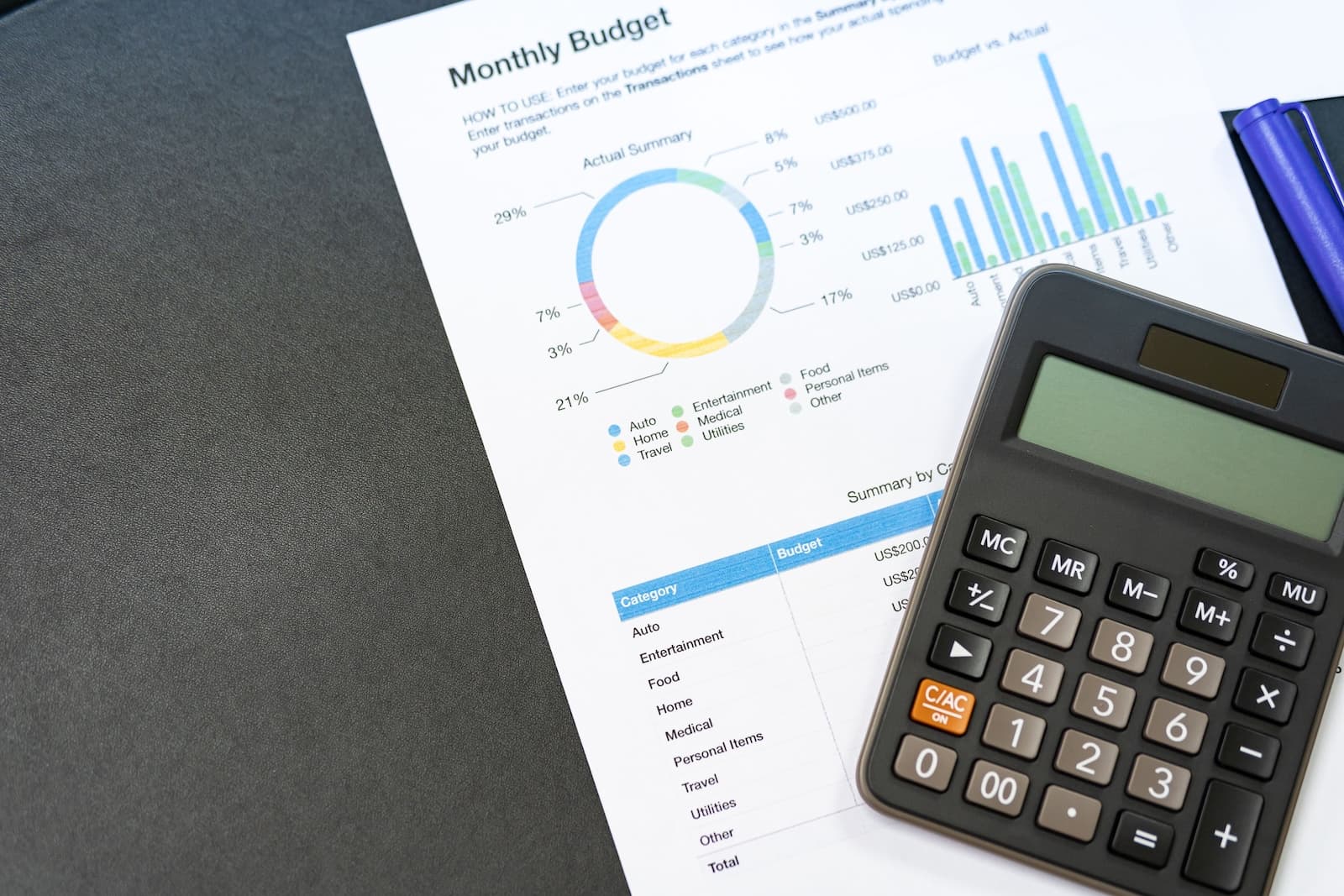
Budgeting
How to Build a Budget That Actually Works
A workable budget starts with take-home pay, fixed costs, flexible spending, irregular expenses, and a review habit that keeps the plan useful after real life starts moving.
Budgeting
How to Use Sinking Funds for Irregular Expenses
Sinking funds help turn irregular expenses into planned monthly savings. Instead of letting annual bills, car repairs, medical costs, home maintenance, gifts, travel, or school expenses break the budget, a sinking fund gives each future cost a visible target and timeline.
Budgeting
How to Budget for Medical Costs
Medical costs are easier to manage when they are split into predictable monthly costs, expected care, known upcoming care, and a reserve for deductible or out-of-pocket risk. A useful medical budget connects health insurance, HSA or FSA funding, emergency savings, and cash-flow timing instead of treating every bill as a surprise.
Insurance
How Much Medical Cost Risk Can You Afford?
A health plan's deductible and out-of-pocket maximum are not just insurance terms. They are cash-flow stress tests. The right amount of medical cost risk depends on expected care, worst-case covered costs, network and prescription fit, emergency savings, HSA or FSA funding, and whether the household could absorb a bad medical year without high-interest debt.
Insurance
HMO vs. PPO vs. EPO vs. POS: How to Choose a Health Plan Network
HMO, PPO, EPO, and POS plans are not just acronyms. They describe how a health plan handles provider networks, referrals, out-of-network care, and flexibility. The right choice depends on your doctors, prescriptions, specialists, travel pattern, cash-flow risk, and whether a cheaper premium is worth tighter network rules.
Insurance
Health Insurance Deductible vs. Out-of-Pocket Maximum: What Is the Difference?
A health insurance deductible is the early-year threshold before the plan starts sharing many covered costs. The out-of-pocket maximum is the covered in-network ceiling for the plan year. Understanding both numbers helps you compare premiums, cash reserves, HSA or FSA funding, and worst-case medical cost risk.
Banking
How to Avoid Overdraft Fees Without Making Banking Harder
Avoiding overdraft fees is not only about spending less. It is about setting up your checking account, alerts, bill timing, and backup savings so small timing gaps do not become expensive surprises.
Newsletter
Get clear financial guidance
Get one weekly email with practical money guidance, useful next steps, and none of the noise.
Zero spam. Just clear, honest financial guidance.