Articles by Will Osagiede, CFP®, AWMA®
Browse OnWealth articles written by Will Osagiede, CFP®, AWMA®.
RSS feed
Personal Finance
Do You Need a Financial Advisor?
Some households can handle a lot on their own, but an advisor may be worth considering when the decisions become more interconnected, the stakes get larger, or you need a clearer system than DIY attention is giving you.
Insurance
How Much Life Insurance Do You Actually Need?
The right amount of life insurance depends less on a salary multiple and more on who relies on your income, what debts and expenses would remain, and how much financial protection your household would need after your death.
Retirement
401(k) vs. IRA: Where Should You Save First?
A 401(k) and an IRA can both help you save for retirement, but they do different jobs. The strongest order usually starts with any employer match, then compares account access, tax treatment, investment choices, fees, contribution limits, and whether Roth or traditional treatment fits your situation.

Savings
Where Should You Keep Short-Term Savings?
The best place for short-term savings depends on the money's job. Checking, high-yield savings, money market accounts, and CDs each fit different timelines, access needs, and flexibility limits.

Insurance
Do You Need Long-Term Care Insurance?
Long-term care insurance is not automatically right or wrong. The real question is whether it meaningfully improves your plan for paying for later-life care without destabilizing the rest of retirement.
Retirement
What Are Required Minimum Distributions and Why Do They Matter?
Required minimum distributions, or RMDs, are mandatory withdrawals from many pretax retirement accounts. They matter because they can raise taxable income, change withdrawal order, shrink Roth-conversion flexibility, and force retirement-account decisions even if you do not need the cash yet.
Insurance
How Much Disability Insurance Do You Need?
The right amount of disability insurance depends on how much income your household would need to replace, how long it could carry expenses without pay, and how much coverage your employer plan actually provides.

Budgeting
How to Track Spending Without Feeling Restricted
Spending tracking works best when it reduces friction, focuses on decision-driving categories, and helps you adjust cash flow without turning every purchase into a moral event.

Budgeting
Budgeting With Irregular Income
When income changes from month to month, the stronger budget starts with a spending floor, bill-timing buffer, tax set-asides, and rules for using high-income months.
Budgeting
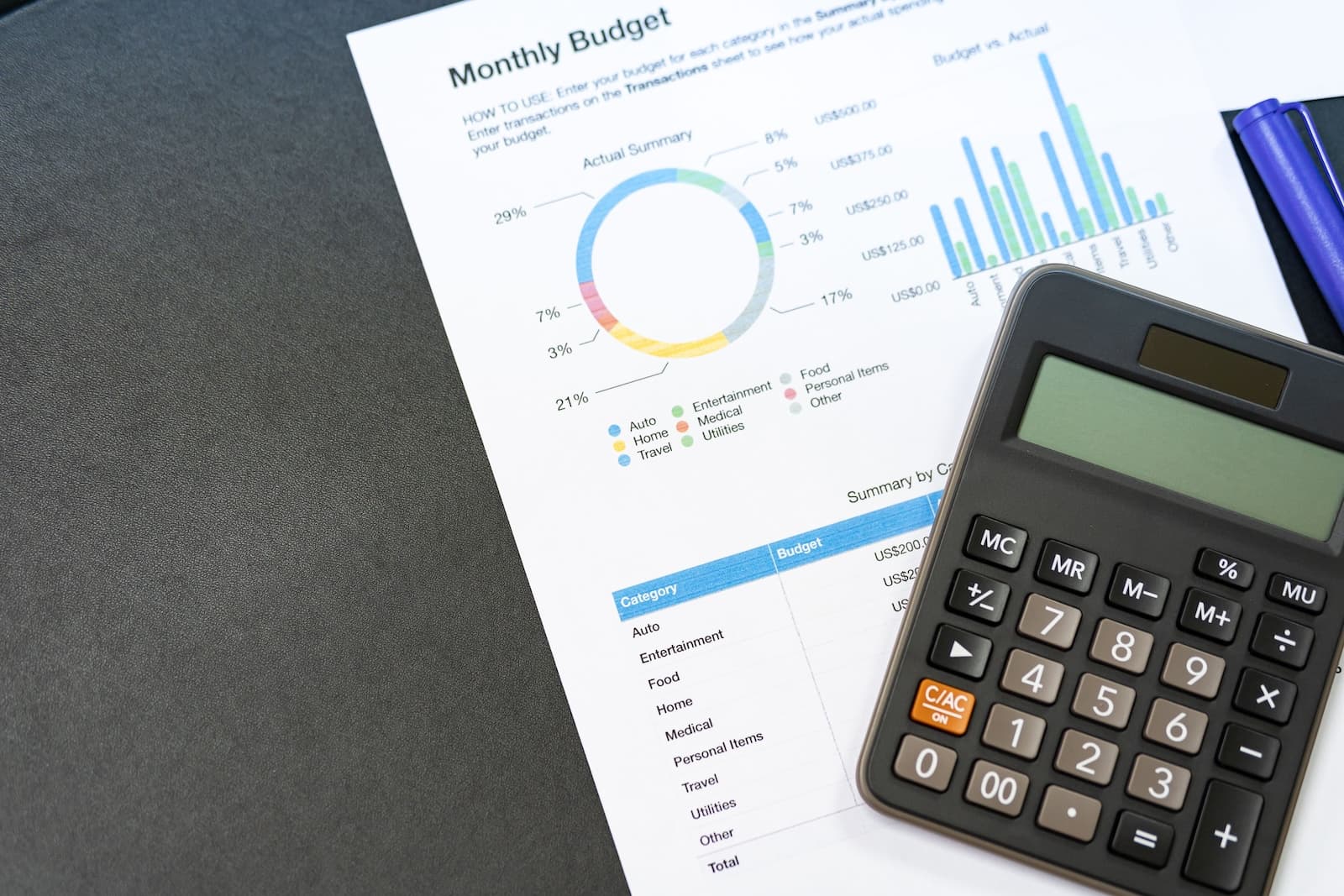
How to Build a Budget That Actually Works
A workable budget starts with take-home pay, fixed costs, flexible spending, irregular expenses, and a review habit that keeps the plan useful after real life starts moving.
College Planning
How 529 Plans Work for College Savings
A 529 plan can help families save for education with tax-free growth and tax-free qualified withdrawals, but the way it works depends on the type of plan, the expenses you intend to cover, and how you choose to invest the account.
Credit Cards
Secured Credit Card vs. Unsecured Starter Card: Which Is Better for Building Credit?
A secured card is often the better credit-building choice when approval is the main hurdle, while an unsecured starter card can be the better fit when you can qualify without tying up cash in a deposit.
Newsletter
Get clear financial guidance
Get one weekly email with practical money guidance, useful next steps, and none of the noise.
Zero spam. Just clear, honest financial guidance.